

Quick answer
Yes, the drive from Cairo to Hurghada is generally safe for travelers who depart during daylight hours, maintain highway speed limits, and carry emergency supplies. The route passes through multiple police checkpoints where foreign travelers may need to present passports. Road conditions are best on the Cairo-Suez leg; surface quality declines on stretches approaching Zaafarana. Heavy truck traffic and occasional poor lighting after sunset are the primary hazards. Most incidents involve speeding or fatigue rather than crime.
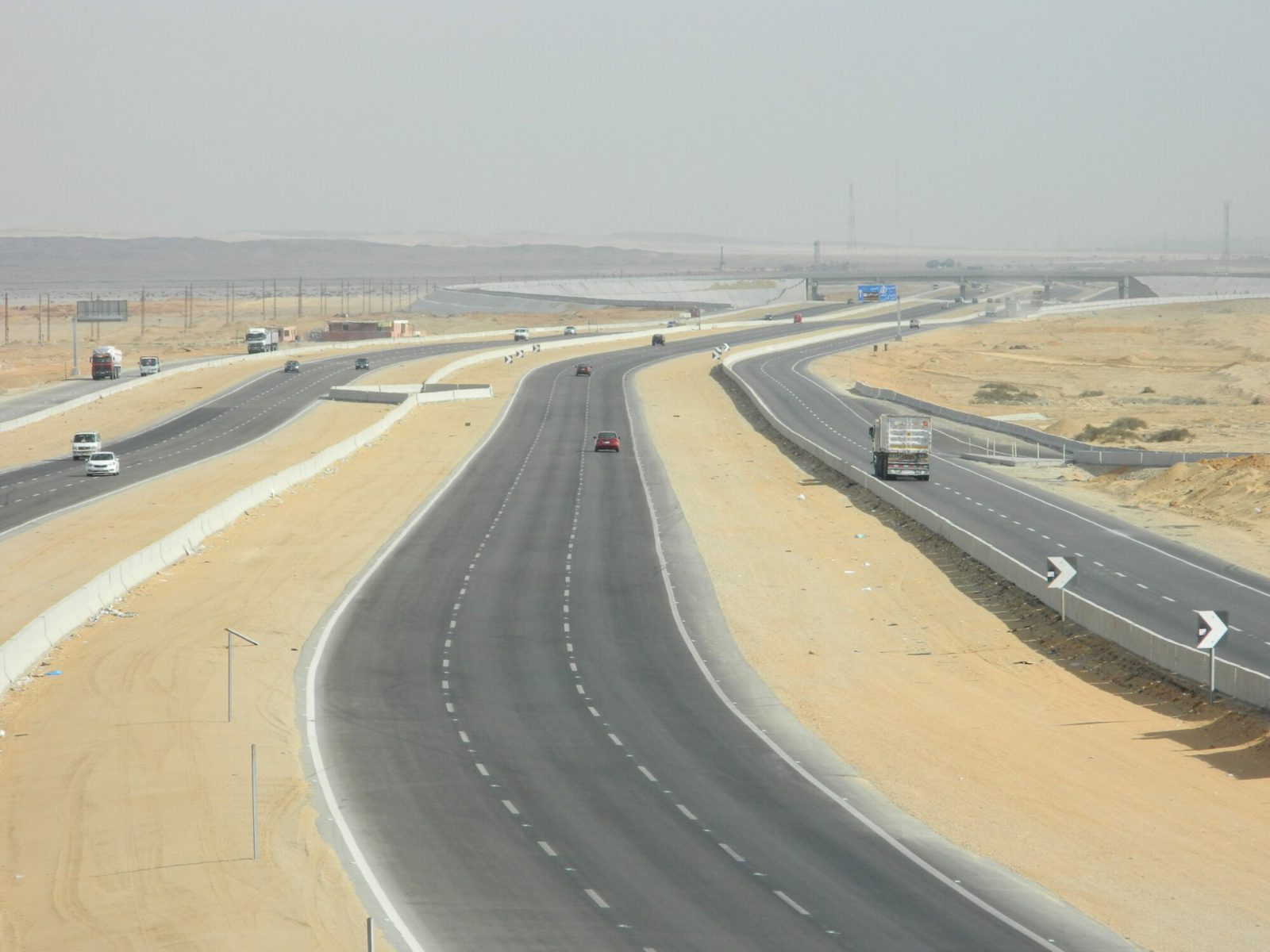
More than 80 percent of foreign visitors traveling between Cairo and the Red Sea resorts now drive themselves or hire private cars rather than flying, a shift accelerated by improved checkpoint efficiency since 2024. The route itself carries minimal security risk—military and police presence remains visible at intervals, and the government designates the highway as a protected corridor. What travelers actually contend with is driver behavior, vehicle reliability, and the desert's indifference to poor planning. The highway follows two main arteries. The northern route runs Cairo-Suez-Ain Sokhna-Zaafarana-Hurghada, tracing the Gulf of Suez coast for roughly 450 kilometers. Pavement quality holds steady through the industrial Suez zone, then deteriorates in patches south of Ain Sokhna where resurfacing lags behind traffic volume. Potholes cluster near the Zaafarana junction. The alternative Beni Suef route through the central desert saves 30 kilometers but adds isolation; fuel stations thin out and roadside assistance becomes theoretical. Most rental agencies and tour operators default to the coastal highway. Checkpoints appear every 60 to 90 kilometers. Officers typically wave through Egyptian-plated vehicles and stop foreign rentals for a passport check lasting two to five minutes. Carry physical copies—digital scans complicate the process. Afternoon checkpoints move faster than morning shifts. The drive itself demands sustained attention. Egyptian highway culture favors aggressive overtaking, and truck convoys occupy the right lane for kilometers at a stretch. Roadside lighting exists only near urban nodes, rendering night driving a high-beam gauntlet through dust clouds kicked up by passing trucks. Cellular coverage drops in the Zaafarana-to-Safaga stretch, where 70 kilometers pass without a signal. The road is safe in the statistical sense—serious accidents remain rare relative to traffic volume—but it punishes inattention and vehicle failure equally. Travelers who drive defensively, depart early, and budget an extra hour for the unexpected report straightforward journeys. Those who push through fatigue or underestimate the desert's July heat find themselves dependent on the kindness of passing drivers.
“The route itself carries minimal security risk—what travelers actually contend with is driver behavior, vehicle reliability, and the desert's indifference to poor planning.”
Routes and Logistics: Is It Safe To Drive From Cairo To Hurghada
Driving from Cairo to Hurghada is a common route covering approximately 450 kilometers along the Red Sea coast. Travelers typically access the destination via the Cairo-Suez-Hurghada route or the Zaafarana Road.
Cairo-Suez-Hurghada Road
Zaafarana Road (Galala Road)
Are There Fees When You Drive From Cairo To Hurghada
There is no admission fee for driving between Cairo and Hurghada. The only costs associated with the journey are the standard road tolls required for transit.
A typical traveler pays 0 EGP for road access, though the total cost will fluctuate based on the specific road tolls applied to your chosen route.
Safety Checklist: Is It Safe To Drive From Cairo To Hurghada Prepared
A desert highway demands preparation—check your vehicle, pack safety gear, and carry the right documents before departing.
-
Inspect tyres, brakes, and fluids — Desert heat and long distances strain vehicles, so mechanical failures can strand you in remote areas.
-
Pack at least 5 litres of water per person — Dehydration sets in quickly on a hot road with limited stops between Cairo and Hurghada.
-
Carry a fully charged mobile phone and car charger — Mobile coverage exists along most of the route, but a dead battery leaves you unable to call for help.
-
Bring your driving licence and vehicle registration — Police checkpoints along the highway routinely check documentation.
-
Store a first-aid kit and flashlight in the cabin — Minor injuries or roadside checks after dark require immediate access to these items.
-
Fill the fuel tank in Cairo — Petrol stations appear every 80–100 km, but running low between stops adds unnecessary risk.
Check availability
Frequently Asked Questions: Is It Safe to Drive from Cairo to Hurghada
Everything you need to know about is it safe to drive from cairo to hurghada